While PM Keir Starmer says ‘cutting-edge capabilities’ will help to deter threats, critics say the rising defence budget should be even higher
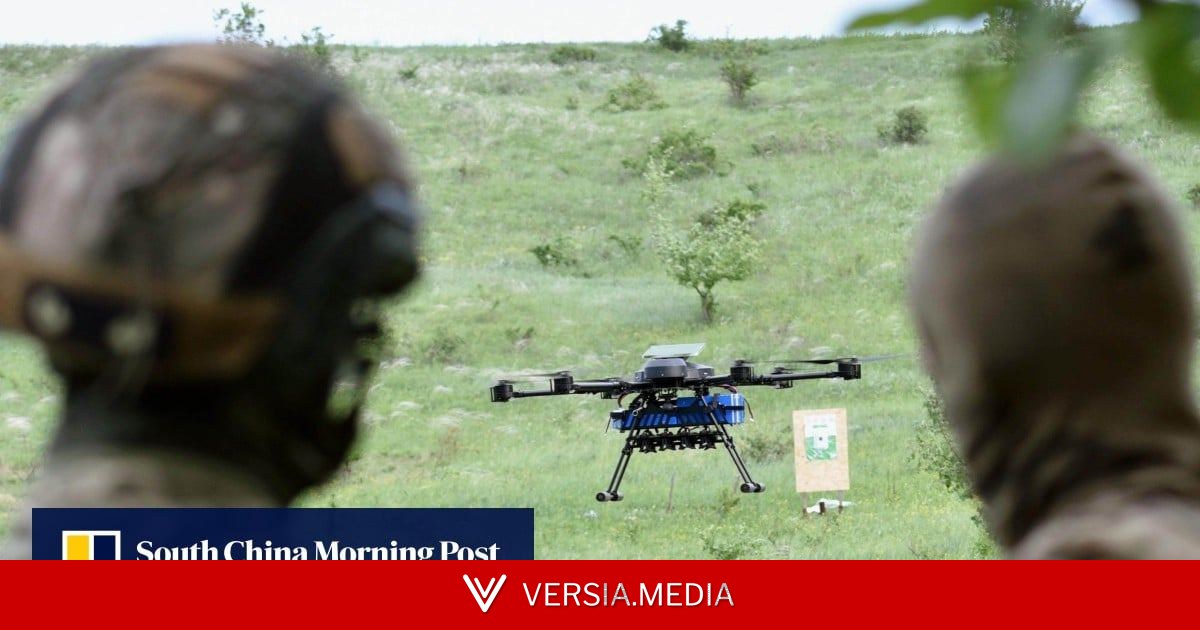
Self-flying fighter jets, uncrewed submarines and drones are at the centre of Britain’s future military under a defence plan announced on Tuesday that reflects a world of conflicts transformed by technology.
Prime Minister Keir Starmer – who is expected to leave office next month after losing the support of MPs – unveiled his long-delayed Defence Investment Plan.
Defence spending will increase to nearly £80 billion (US$105.85 billion) a year by 2029, putting it on a path to hit three per cent of GDP on military expenditure.
The defence plan is a road map for how the UK will increase military spending to Nato’s target of 3.5 per cent of GDP by 2035.
Nato Secretary General Mark Rutte welcomed Britain’s plan.
“Stronger UK defence makes us all safer. This is a good step towards reaching the 3.5% of GDP on defence agreed in The Hague last year,” wrote Rutte on X.